Our Story
Ten years · One brewer · A lot of beer
How It All Started
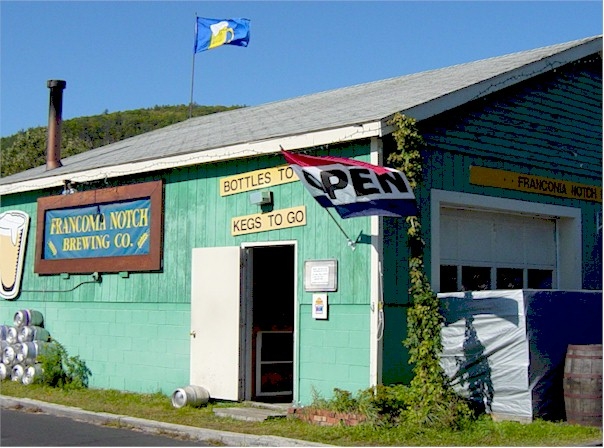
In 1995, in a large commercial space at 260 Dells Road in Littleton, New Hampshire, something unusual was taking shape. Not unusual in the way that new businesses are unusual, but unusual in a more fundamental sense — a brewery being assembled from the ground up, tank by tank, weld by weld, by one person who had decided to build what he couldn't buy.
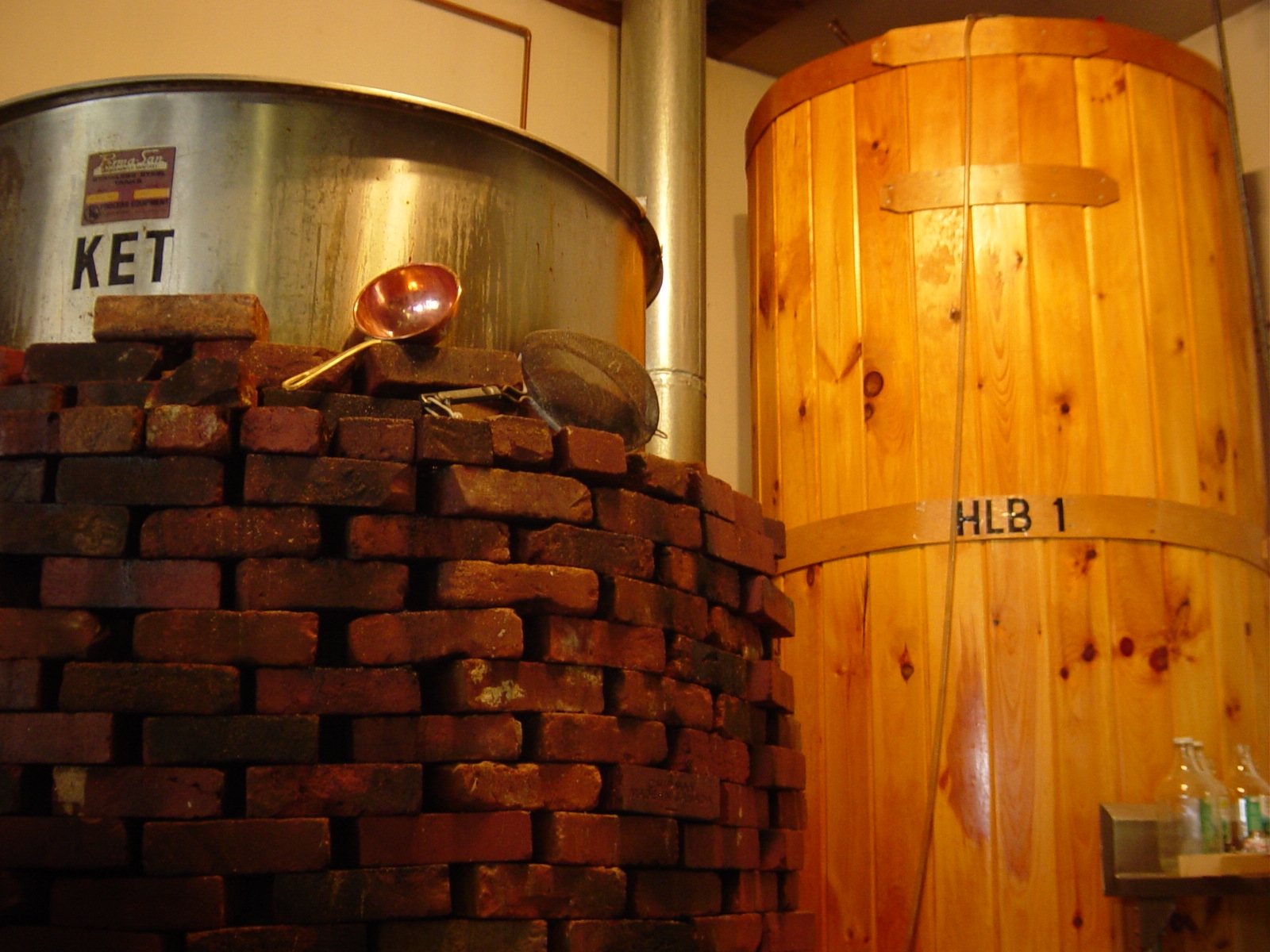
Commercial brewing equipment existed in 1995, but it was expensive, limited in scale, and not suited to what founder John Wolfenberger had in mind. So he designed the system himself. Fermentation vessels were fabricated from high-quality surplus dairy tanks, chosen for their food-grade stainless steel construction and adapted through his own engineering designs. A friend who happened to be a skilled stainless welder accepted beer as payment for his work. Everything else — the hardware, the fittings, the ancillary systems — came from catalogs and hardware stores and the kind of methodical problem-solving that doesn't have a manual.
When it was finished, Franconia Notch Brewing Company had a brewing system that dwarfed most of what was being built in New England at the time. Primary fermenters of 24 and 32 barrels feeding secondary vessels of more than 65 barrels each. A serious production brewery, built entirely by hand, in the White Mountains of New Hampshire.
"There wasn't a single piece of commercial brewing equipment in the entire operation."
John's friend Al Pilgrim was part of the operation from the beginning, sharing in the excitement of building something genuinely new. As the brewery moved from construction into the demanding rhythms of full production, Al made the difficult decision to step back in 1997. He had never left his day job, and the brewery's escalating demands made it impossible to give enough of himself to both. It was an honest and graceful exit, and the friendship endured.
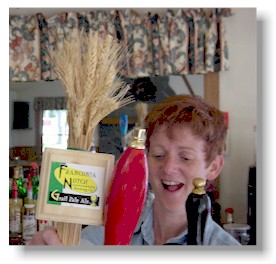
From 1997 on, Franconia Notch Brewing Company was, in the most literal sense, a one-man show. What that meant in practice was a brewing system of genuine regional scale operated, cleaned, maintained, delivered, and sold by a single person. It meant kegging thirty barrels at dawn so the truck could load at nine. It meant returning from marathon delivery runs as the sun came up. It meant that the people who showed up to help — and people did show up, because it was still novel and exciting to hang around a brewery — were welcome and valued, even as John remained acutely aware, usually around four in the morning, that the work was ultimately his.
Fighting for the Right to Sell Beer
Building the brewery was only half the battle. The regulatory environment for small New Hampshire breweries in the 1990s was, to put it charitably, not designed with them in mind.
Under the laws as they stood, Franconia Notch Brewing Company was required to sell every drop of its beer through one of two distributors — either the Miller distributor or the Budweiser distributor — and once a brewery chose its distributor, that relationship was binding under state law. A customer who wanted to buy a keg for a wedding faced a three-and-a-half-hour round trip to the distributor warehouse to pick it up, and another trip to return the empty. A visitor to the brewery could purchase exactly one bottle per person per day.
John and one other New Hampshire brewer decided this needed to change. They testified before a Ways and Means committee — just the two of them, without lawyers or lobbyists — arguing against the combined legal representation of the New Hampshire Beer Distributors Association, the Budweiser distributors, and the Liquor Commission itself.
"It was just the two of us against all of them and their lawyers. Total David and Goliath situation."
The committee voted on the spot. The law changed, effective immediately. From that point on, a brewery license authorized direct sales to the public — bottles, cases, and kegs — at the brewery.
Self-distribution came in phases, through separate regulatory changes over the following years. The cumulative impact was transformative. By the early 2000s, John was delivering his own beer across New Hampshire and into Massachusetts and Rhode Island through craft-focused distributors — and delivering more of it than the national brand distributors ever had.
"The fact that one person in a minivan was delivering more of his beer than the national brand distributors ever had tells you everything about how bad that system had been."
Every New Hampshire brewery that has opened since those laws changed has benefited from that testimony. Most of them don't know it happened.
The Community
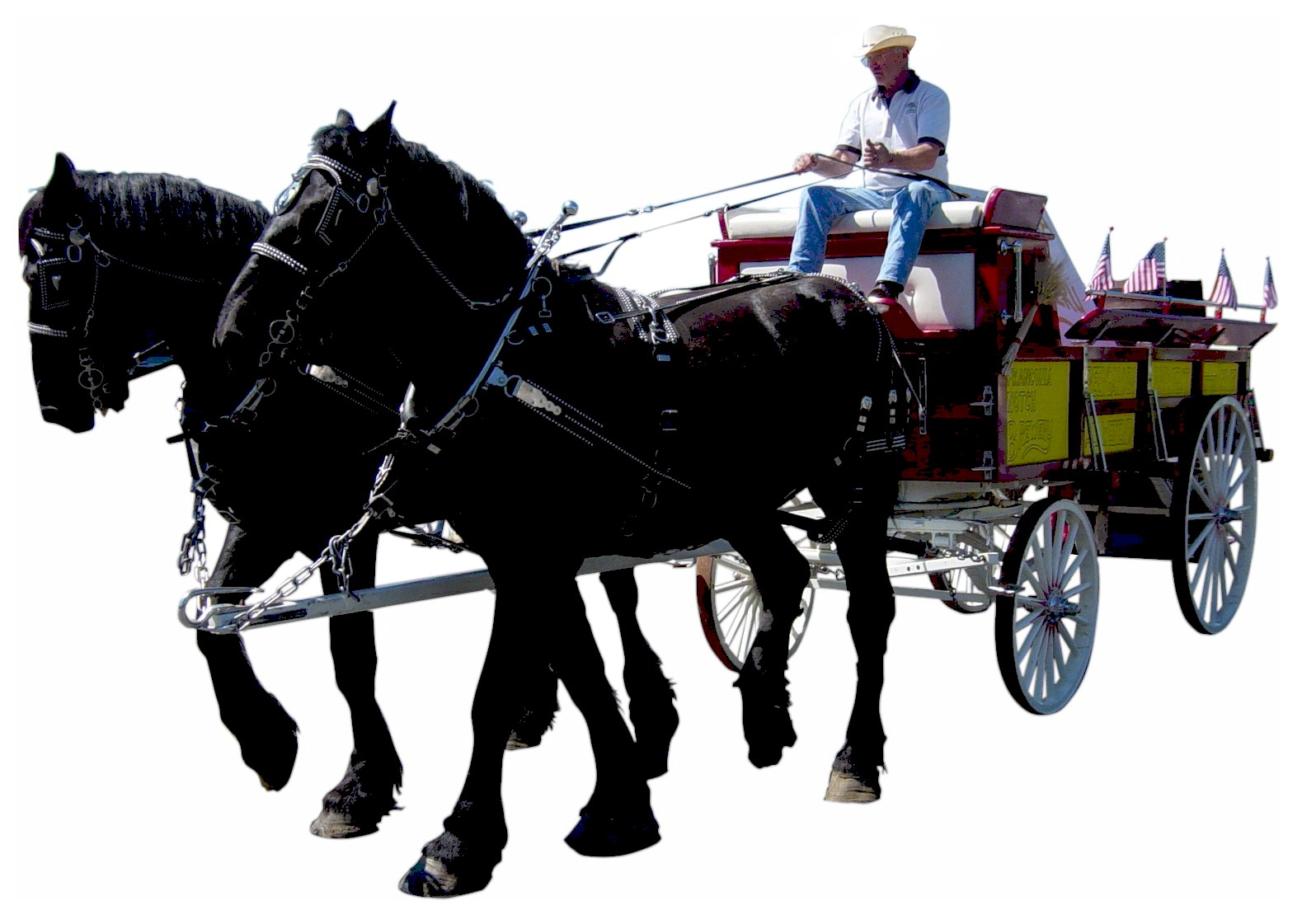
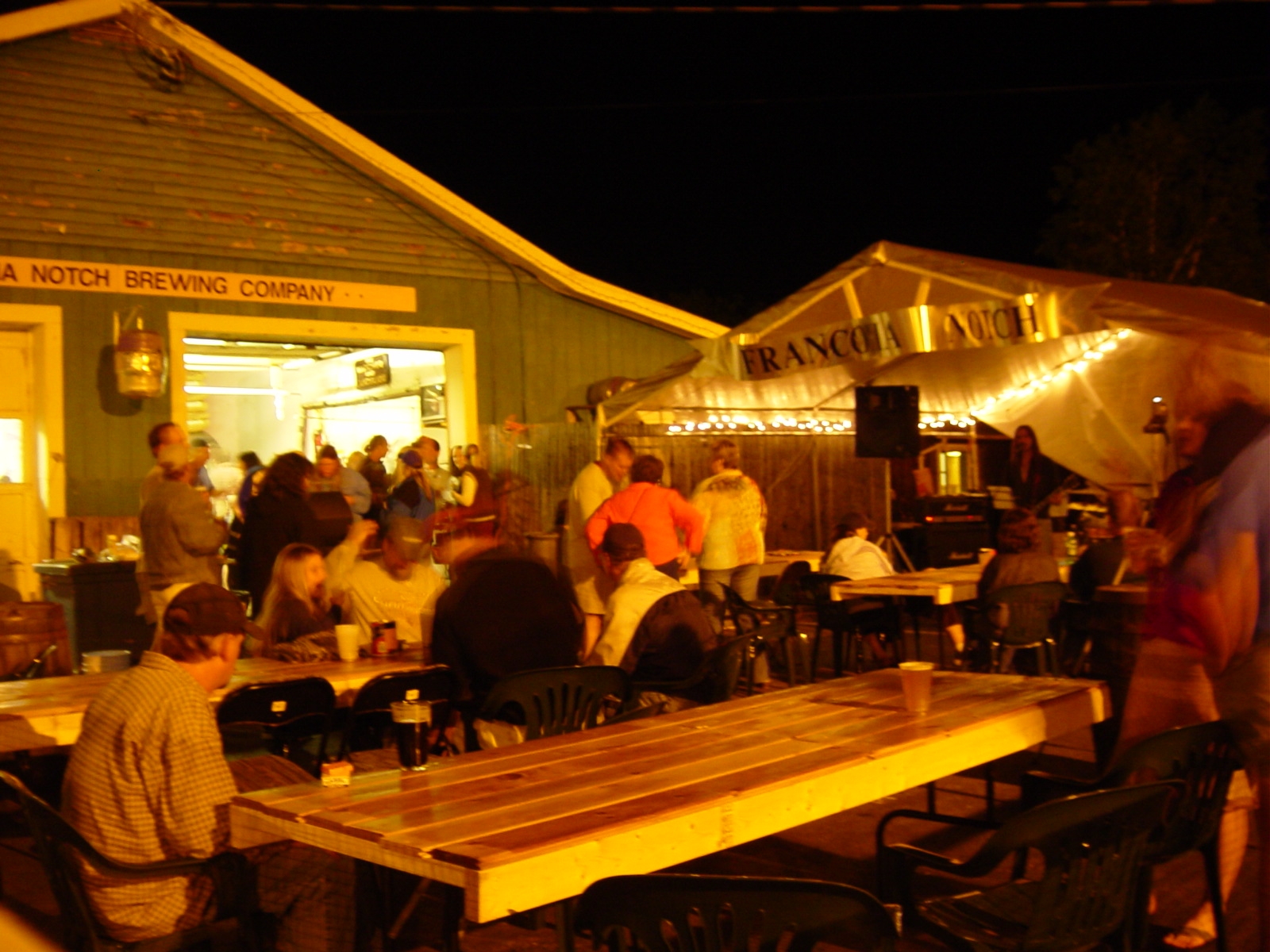
The brewery at 260 Dells Road became more than a production facility. It became a gathering place. People showed up because it was still genuinely novel to visit a working brewery, and because the beer was worth the trip. The outdoor Oktoberfest events drew crowds that filled the parking lot and spilled into the surrounding area. One year the brewery entered its beer wagon — literally a horse-drawn wagon loaded with barrels — in the Littleton parade, continuing the celebration at the brewery afterward.
The Coat of Arms pub in Portsmouth served Grail Pale Ale on cask — one of the few places outside the brewery where you could find it drawn through a hand pump. Accounts in Massachusetts and Rhode Island built their own loyal followings around the beer.
"Twice in the past week I've walked into a restaurant and had people come up to me and say 'we were just talking about you and the brewery' — and then start telling me a brewery story they'd been sharing before I even walked in."— John Wolfenberger, 2025
The Final Year
By 2004, the regulatory changes John had helped bring about were beginning to show their full effect. Distribution was growing. A brewer named Jake, who had been working at another brewery, approached John and said he wanted to quit his job and come make beer he actually believed in. He was, by John's account, outstanding.
"I was hoping to make him a junior partner. Then we got the news that the building had been sold."
The property at 260 Dells Road had been purchased — quietly, without the tenants' knowledge — by Walgreens. The brewery and the neighboring Clamshell Restaurant, a local landmark that had stood beside it for years, were both demolished shortly after.
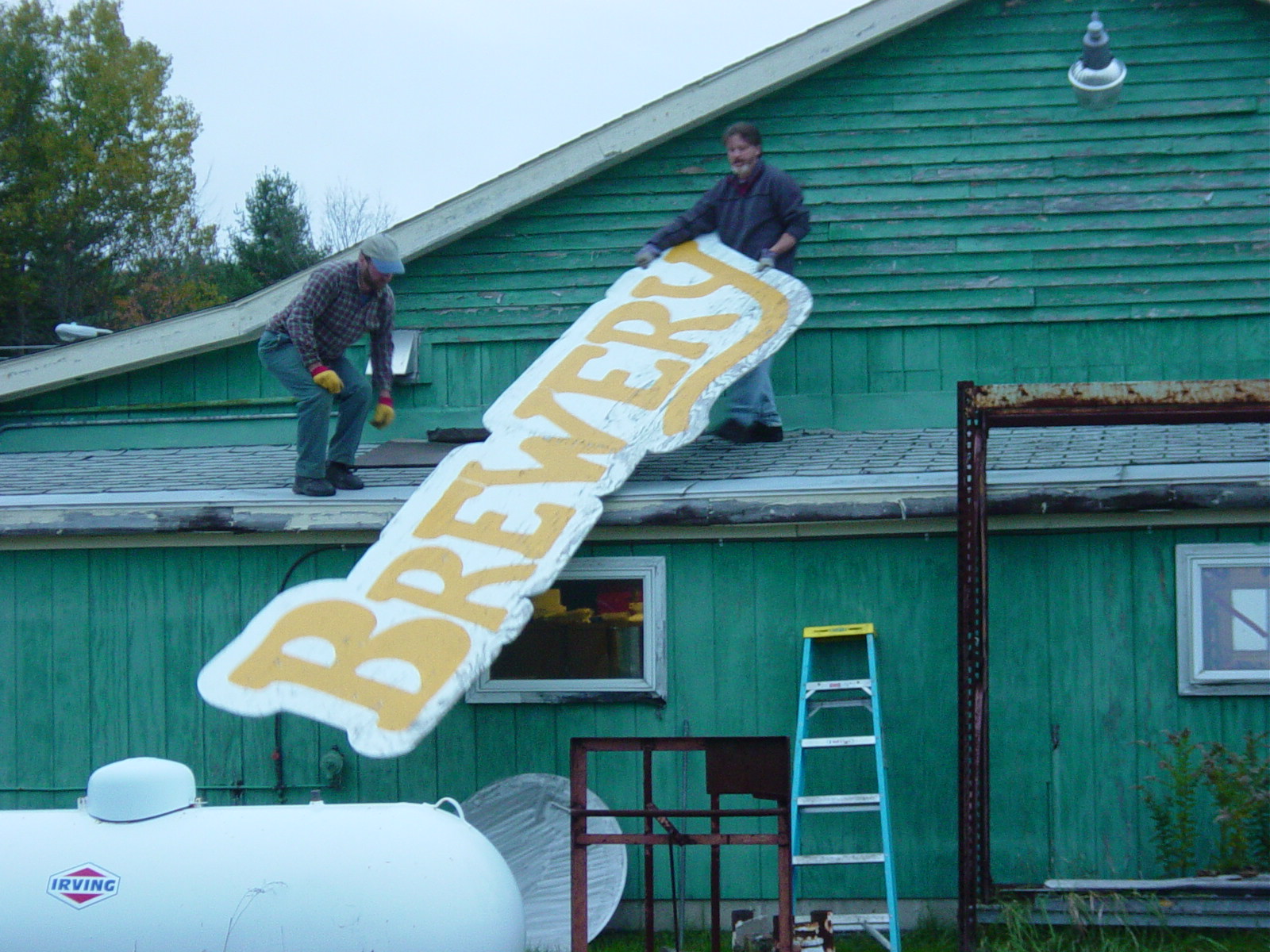
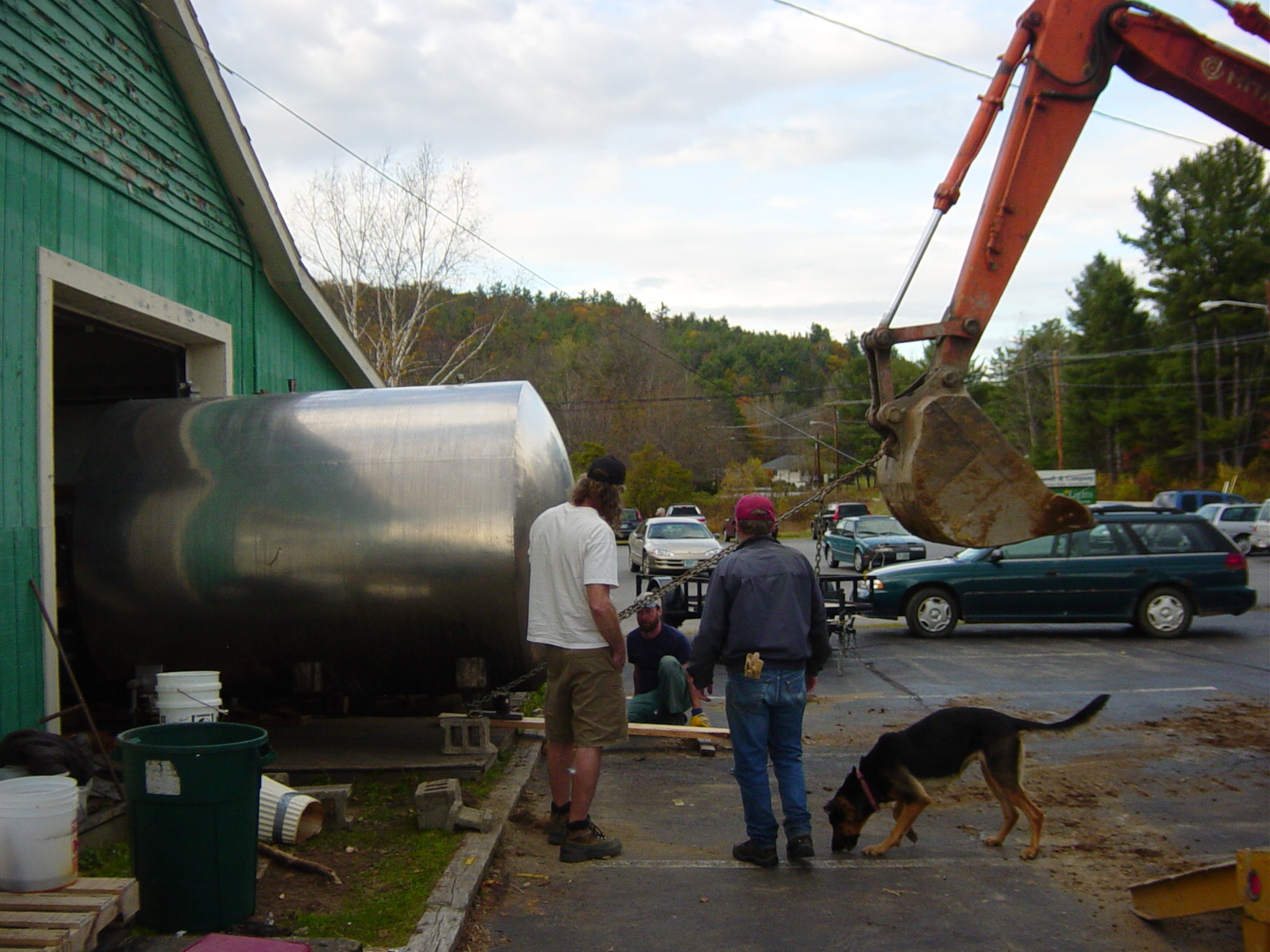
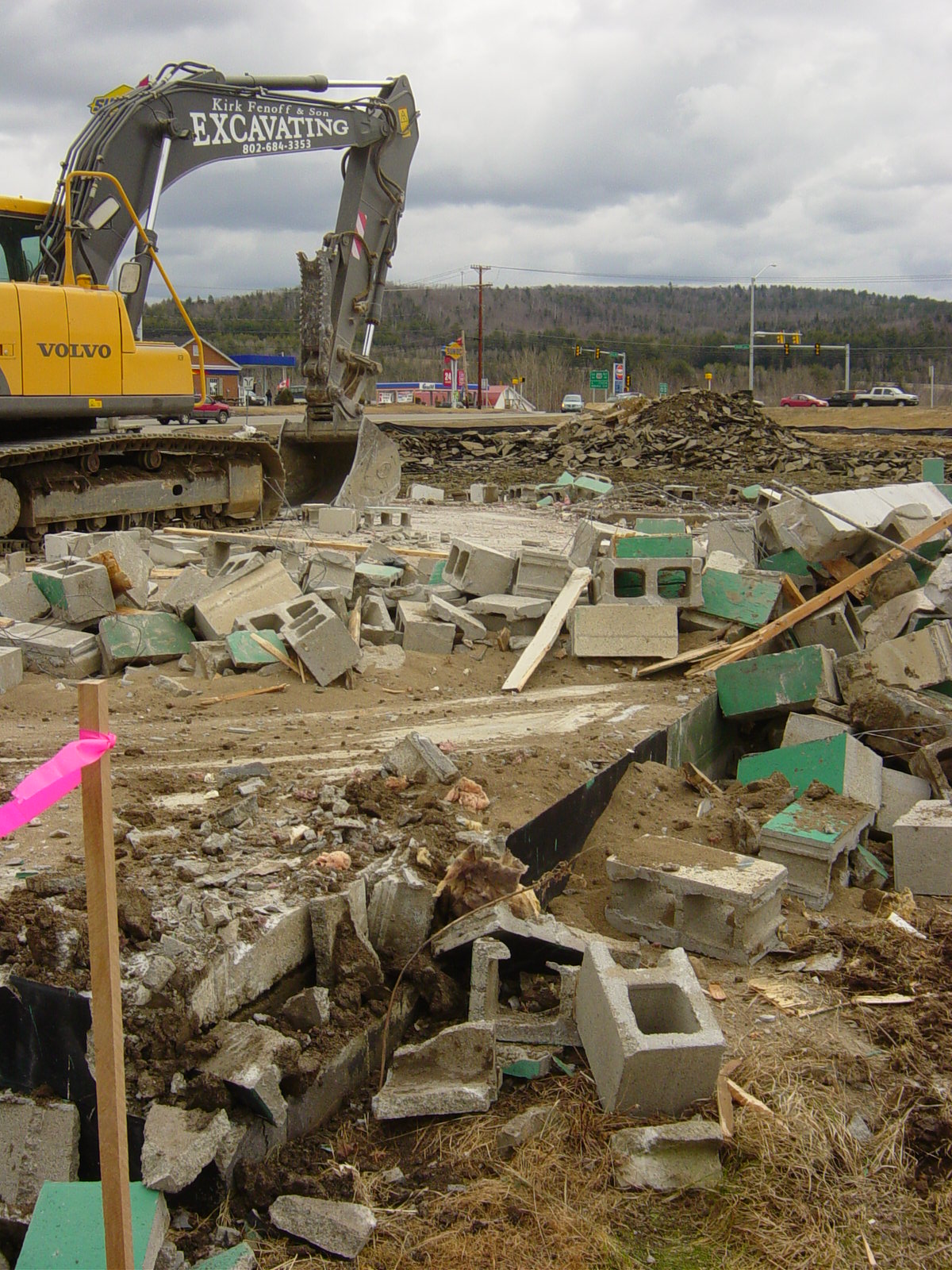
The brewery closed in 2005.