The Rarities
Beers that never appeared on a price list
Some of what was made at Franconia Notch Brewing Company never appeared on a distributor's price list. These were beers made because the brewer wanted to make them — experiments, celebrations, labors of curiosity — shared only with people who understood what they were getting.
The Whiskey Barrel Beer
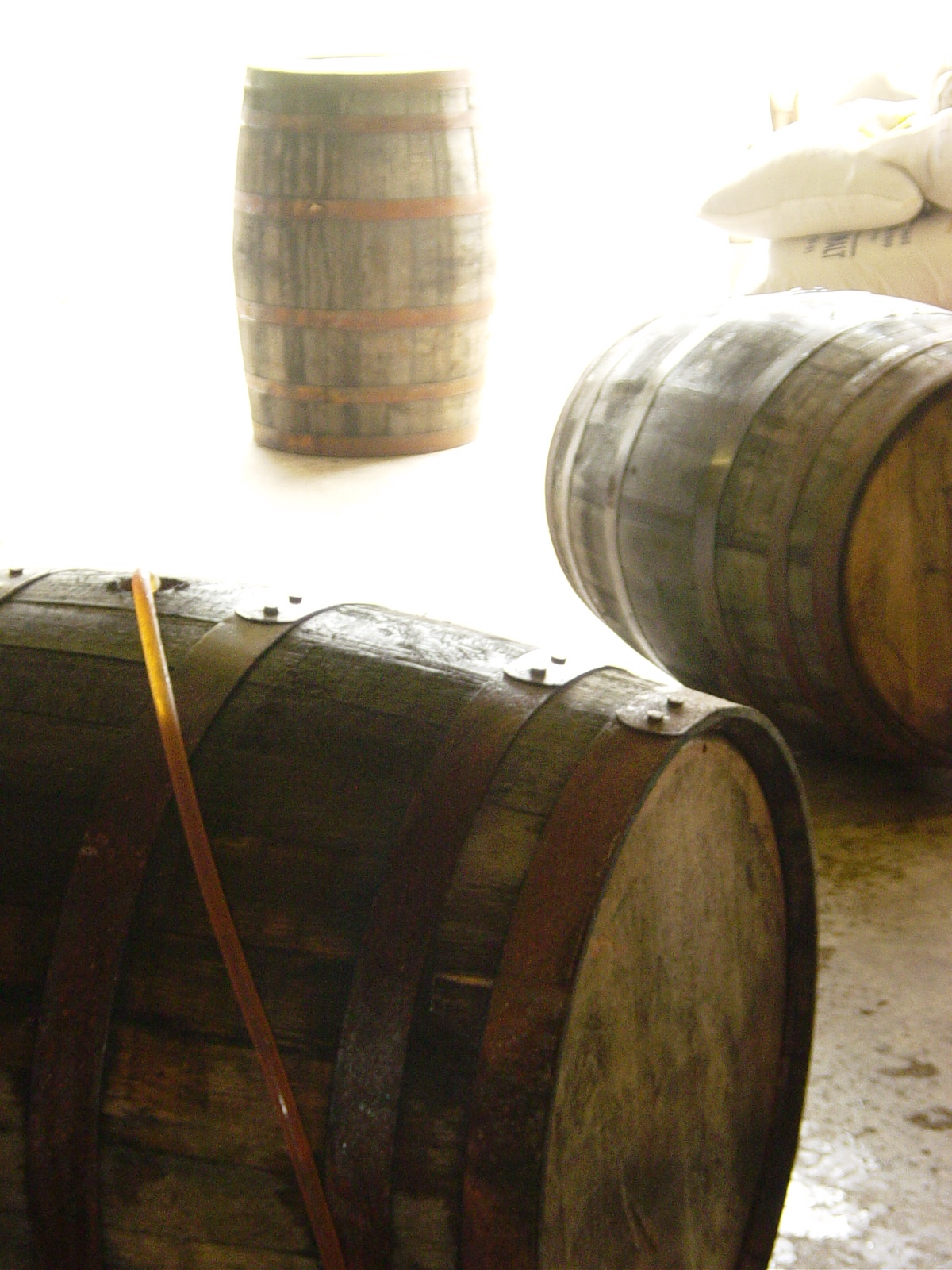
There was no label. There was no name on any price list, no entry in any distributor's catalog. There was just the whiskey barrel beer — and if you knew about it, you knew.
In the mid-1990s, aging beer in whiskey barrels was not yet a recognized craft brewing practice. A handful of breweries in California were exploring it around the same time; whether any were doing it earlier remains unclear. At Franconia Notch Brewing Company, it began simply because John wanted to see what would happen.
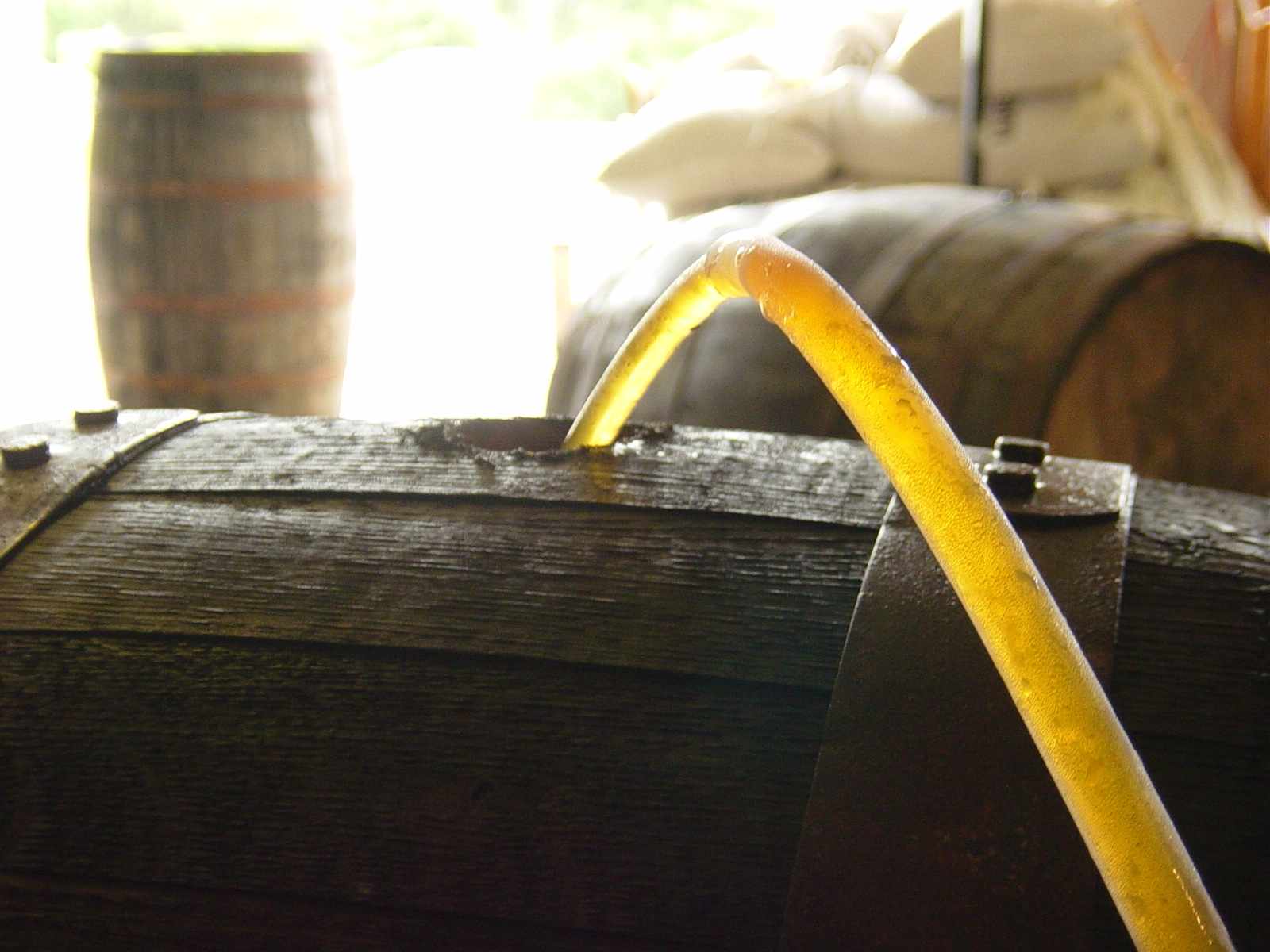
The result was served directly from the barrel — drawn up with a traditional English beer engine at the brewery's outdoor Oktoberfest events, poured into glasses for people who had never tasted anything quite like it, and offered as the kind of thing that required no explanation beyond itself.
"It was the only such thing anybody had ever seen around here. We just called it the whiskey barrel beer. It didn't need a name."
The 1996 Lambic
In 1996, Franconia Notch Brewing Company brewed a batch of wild-fermented lambic — a full batch, inoculated with wild yeast and bacteria in the traditional Belgian manner, then left to age.
It was never sold through distribution. Lambic is an acquired taste, and selling it alongside the regular lineup to accounts that didn't know what to expect felt like a risk to both the beer and the brewery's reputation. Instead, it was sold directly at the brewery, and only to customers who had tasted it first and understood what authentic sour beer was.
When the brewery closed in 2005, six half-barrel kegs of the original 1996 batch remained. They were moved to cold storage in the stone basement of a friend's building, where they continued to age undisturbed.
They are now approaching thirty years old.
"I tasted two different kegs recently. Still good."
The Aged Cellar Beers
Alongside the lambic, the brewery's final inventory included kegs of barleywine, Belgian strong ale, and mead — beers chosen specifically because they would age well. They went into storage in 2005 and came back out this winter, twenty years later.
The Belgian strong ale was tasted recently. It was still good.
What happens next with these beers is not yet decided.